
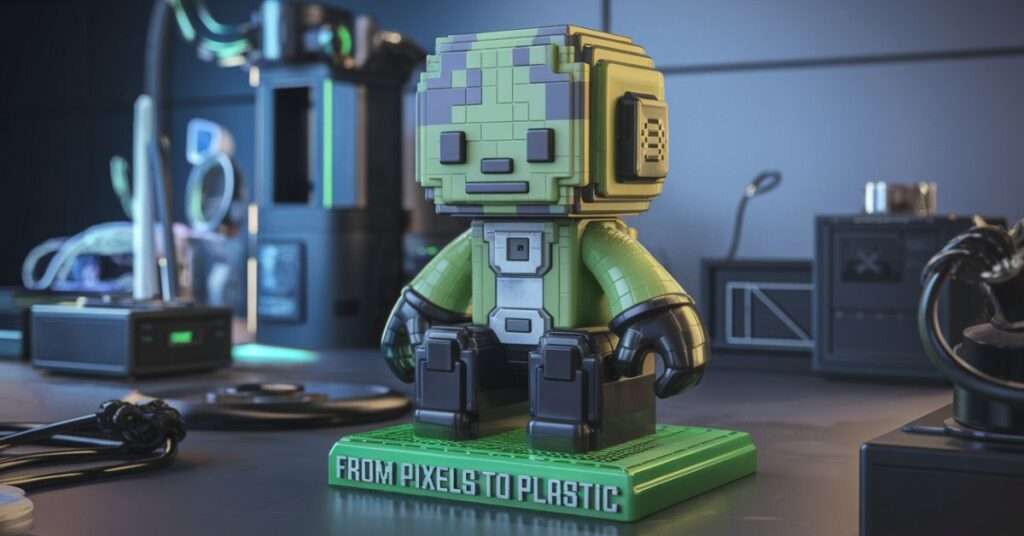
What started as a playful online craze has exploded into a jaw-dropping real-world phenomenon — and trust us, you’re going to want your own!
The internet is buzzing with the latest viral trend: turning yourself into an action figure with the help of AI. That’s right, people are using tools like ChatGPT to create hilarious and creative digital versions of themselves, packaged like collectible toys — and now, they’re taking it one step further. Thanks to 3D printing, these virtual figures are becoming real-life plastic collectibles you can hold, display, and show off to friends.
If you’ve been scrolling TikTok, Instagram, or Threads lately, chances are you’ve already spotted your friends, coworkers, or even celebrities posting pics of themselves trapped inside a “Barbie box.” But buckle up, because this trend just got a major upgrade.
How It All Began: The Birth of the “AI Barbie Box” Craze
Now, no one’s exactly sure who kicked off the madness — like most viral internet sensations, it seemed to appear out of nowhere. But it didn’t take long before everyone wanted in.
People started using ChatGPT’s image generation tool to whip up action-figure versions of themselves. The results? Absolutely hilarious. We’re talking rockstar versions of mild-mannered office workers, superhero moms with laser eyes, or your neighbor’s cat now wielding a samurai sword.
The AI didn’t just make basic models. These images came with full character backstories, accessories, and even recommended age ranges — (because obviously, your action figure self needs to be “suitable for ages 4 and up,” right?).
Even our own reporter gave it a shot, asking ChatGPT to create a figurine. The result? A leather-clad rock god holding a flaming red guitar, looking ready to headline a sold-out arena tour. And yes, it was marked “safe for ages 4+,” which frankly, feels like a slight understatement considering the wild outfit!

Taking It from Screen to Shelf: 3D Printing the Dream
But why stop at a picture on a screen? The magic really happens when people use 3D printing to turn these digital creations into tangible toys.
Here’s the basic process:
- Use ChatGPT (or similar AI tools) to create your action figure concept.
- Refine the 3D model to make sure it’s compatible with a printer.
- Print the figure using a 3D printer (or hire a service to do it).
- Paint and package the final product — just like a real collectible!
CNET’s James Bricknell even gave it a shot, showing off his 3D printed action figure based on one of these viral AI images. It wasn’t perfect — at one point, the figure only had three fingers and seven guitar strings — but that’s part of the charm. Imperfections make these toys feel even more personal.
Bricknell explains that turning a flat image into a 3D model used to be complicated. Normally, it would involve expensive equipment and fancy software. But thanks to advances in AI, even casual hobbyists can now create basic 3D models with just a few clicks.
Using platforms like Bambu Lab’s Maker World, users can upload their AI-created images, tweak them, and quickly generate printable 3D models. It’s free to join, and the tools are surprisingly user-friendly.
Why This Trend Matters: More Than Just Fun and Games
At first glance, this whole thing might seem like harmless fun — and it definitely is. But dig a little deeper, and it’s clear this trend reveals something much bigger happening in technology and culture.
- AI is becoming deeply personal. It’s not just about writing essays or generating art anymore. AI is being used for self-expression and identity.
- 3D printing is more accessible than ever. Just a few years ago, printing your own action figure at home would have sounded impossible (and insanely expensive). Now, it’s almost mainstream.
- Digital and physical worlds are blending. We’re watching online creativity spill into the real world at lightning speed.
- The DIY movement is alive and thriving. People aren’t waiting for big companies to make personalized products. They’re doing it themselves — and having a blast.
“This is just the beginning,” says tech expert Marina Velasquez. “We’re going to see more and more trends where people use AI and new tech to create personal, physical artifacts — whether that’s toys, clothes, or even custom furniture.”
How to Create Your Own AI Action Figure (Yes, You Can Do It Too!)
Feeling inspired yet? Here’s how to jump on the bandwagon:
Step 1: Go to ChatGPT and use its free image generation feature. You can create up to 15 images per day if you’re a free user.
Step 2: Upload a full-body photo of yourself. It doesn’t have to be a professional shot — even a blurry selfie will do!
Step 3: Tell the AI what kind of figure you want. Be specific or let it surprise you. Rock star? Superhero? Astronaut? Your choice.
Step 4: Wait for your action figure image to be created. Save it, share it, brag about it.
Step 5: (Optional but awesome) If you want the full experience, use a 3D printing service or your own printer to make a real-life version.
Pro tip: Don’t worry if the first attempt is a little… weird. Part of the fun is seeing the strange and hilarious things AI comes up with when you ask for edits. Just roll with it!
The Future of AI-Powered Self-Expression
What’s next after AI action figures? Some experts predict we’ll soon see personalized animated avatars, AI-powered board games starring you and your friends, or even full-on AI video game characters based on real people.
Already, services are popping up offering to turn your AI figures into professional-grade collectibles, complete with glossy boxes and retro-style branding. Some entrepreneurs are even starting to sell “custom AI toy services” online for people who want a perfect, polished product without the hassle.
“We’re entering an era where you are the product,” says digital culture analyst Ravi Chauhan. “AI and 3D printing are empowering individuals to create art, objects, and experiences centered around themselves. It’s wildly creative — and a little bit narcissistic, but hey, that’s the internet for you.”
Will It Last?
Sure, some trends burn out faster than a cheap firecracker. But this one feels different. It taps into nostalgia (who didn’t love action figures as a kid?), creativity, and the universal human love of seeing ourselves as the hero of the story.
And let’s be honest: Who wouldn’t want a miniature version of themselves rocking out on a tiny stage or fighting crime in a tiny cape?
So, next time you see someone posting their “Barbie box” photo or unboxing a 3D-printed version of themselves, remember: this isn’t just a silly internet fad. It’s a glimpse into the future of how we create, share, and celebrate our identities — both online and offline.
Want to be an action figure? What are you waiting for? The future is literally at your fingertips.


 Login with Google