
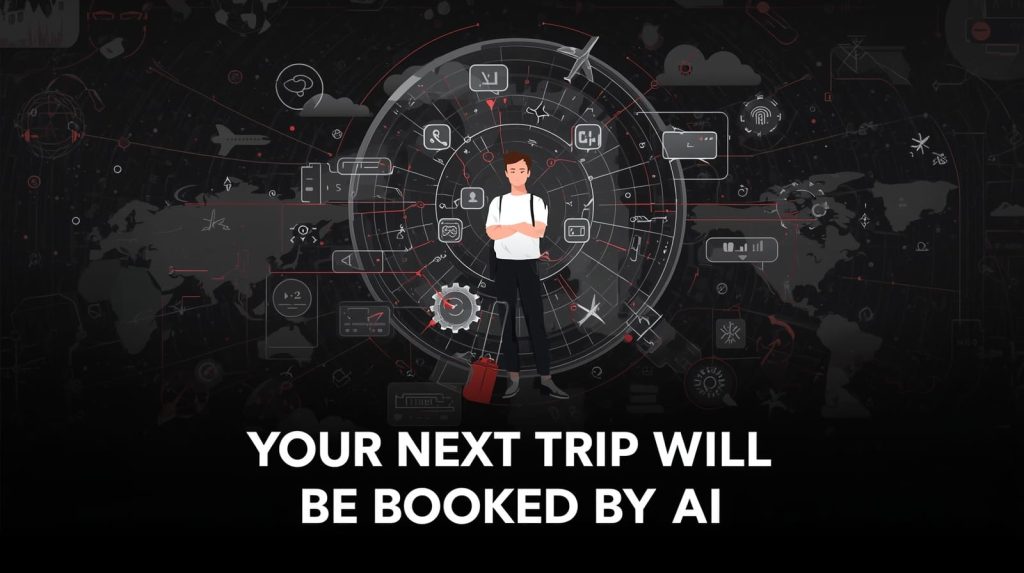
If you think online booking was the biggest change travel would ever see, think again.
Something much bigger is quietly taking over airports, hotels, booking apps and even your phone. By 2026, travel as we know it is being rebuilt from the inside out. Artificial intelligence, smart chatbots, virtual reality and digital agents are no longer side features. They are becoming the main engine of global travel.
This is not a future fantasy. It is already happening, often without travelers even noticing.
From the moment you dream about a trip to the second you unlock your hotel room, technology is stepping in, making decisions, fixing problems, predicting needs and sometimes even replacing human staff. For some, it sounds exciting. For others, a little scary. But one thing is certain: travel is entering a new era, and there is no turning back.
AI Is No Longer Helping Travel. It Is Running It.
For years, airlines and hotels used AI quietly in the background. It helped set ticket prices, recommend hotels and manage loyalty points. In 2026, AI is no longer behind the scenes. It is front and center.
Airlines are using artificial intelligence to predict delays before they happen. Hotels are using it to guess what kind of room temperature you prefer. Travel platforms are using it to design full trips without you lifting a finger.
This is not just automation. This is decision-making.
AI systems now connect calendars, emails, weather data, loyalty accounts and payment systems to build trips that adjust in real time. Missed a flight? Your AI agent may already have rebooked you, informed your hotel and arranged a late checkout before you even open your phone.
From Simple Chatbots to Powerful AI Travel Agents
Not long ago, travel chatbots were frustrating. They answered basic questions and often failed when things got complicated. That era is ending fast.
In 2026, chatbots are turning into full AI agents. These systems do not just respond. They act.
An AI travel agent can search flights, compare hotels, read reviews, negotiate prices, book restaurants, monitor weather, manage changes and even argue for refunds. It does all this across multiple platforms, without human help.
Major travel companies like Booking.com, Google and Expedia already offer AI co-pilots that plan full journeys from start to finish. These tools learn from your past trips, your budget, your travel style and even your mood.
At Heathrow Airport, a WhatsApp-based AI assistant named Hallie is already handling most customer questions. It solves around 90 percent of issues without human staff. That includes gate changes, lost baggage queries and travel updates.
For travelers, this means fewer queues, fewer calls and less stress. For the industry, it means a total rethink of customer service.
Hotels Are Becoming Smart, Silent Machines
The hotel experience is also changing, often in ways guests barely notice.
In 2026, automation is the invisible brain of hospitality. Sensors, robots, connected devices and predictive AI work together to manage everything from cleaning schedules to energy use.
Marriott uses AI to predict when rooms need cleaning instead of following fixed schedules. Accor has introduced smart rooms that learn guest preferences over time. Lights, curtains, temperature and even TV content adjust automatically.
In some hotels in San Francisco, robots deliver room service. They move through corridors, call elevators and stop outside your door. In Japan, a fully robotic hotel already exists, where machines handle check-in, luggage, room controls and even entertainment.
It sounds extreme, but for many hotels, automation solves real problems: staff shortages, rising costs and sustainability pressure. For guests, it often means faster service and fewer mistakes.
Still, not everyone loves the idea of a robot receptionist. And that tension is shaping the future of hospitality.
“Try Before You Fly”: Virtual Travel Takes Off
Virtual reality is no longer just for gaming.
In travel, VR and AR are becoming powerful tools to help people decide where to go. Travelers can now walk through hotel rooms, cruise cabins and resorts using headsets or phone screens. You can stand on a virtual beach, look around a hotel lobby or explore a city street before booking anything.
Platforms like Expedia and Booking.com already offer immersive previews. Some companies are building digital twin versions of entire resorts, ships and cities.
This changes how people plan trips. Booking becomes part of the experience. It also helps travelers with accessibility needs or anxiety about unfamiliar places.
There is another side to this trend. For some people, virtual travel may replace physical travel altogether. Elderly travelers, people with disabilities or those who cannot afford long trips may still explore the world digitally.

Virtual travel will not replace real travel. But it is becoming a powerful companion to it.
Travel Marketing Faces a Shock in the GenAI Era
One of the biggest changes is happening quietly in travel marketing.
For decades, travel companies fought for attention on search engines and social media. In 2026, many travelers skip those steps. They ask AI tools like ChatGPT directly.
“Plan me a five-day trip to Italy under $2,000.”
“Find a quiet beach destination in Asia.”
“Book a family-friendly hotel near Disneyland.”
The AI answers. And often, it decides where the booking goes.
This forces travel brands to rethink marketing. It is no longer just about ranking on Google. It is about being trusted, readable and usable by AI systems.
Companies now structure their offers so AI agents can understand prices, availability, reviews and sustainability data. In a strange twist, travel brands are no longer marketing only to humans. They are marketing to machines.
Sustainability: Can AI Make Travel Greener?
Travel has a carbon problem. AI has an energy problem. Together, they might help solve each other.
Airlines now use AI to optimize flight paths and reduce condensation trails, which experts say cause up to 35 percent of aviation’s climate impact. Hotels use smart systems to cut food waste and energy use.
Platforms like Expedia and Booking.com now show carbon emissions for flights and stays. Travelers can compare options and choose greener ones.
Mega-resorts such as China’s Universal Beijing Resort run entirely on renewable energy. Smart bins, predictive cooking and AI-powered supply chains are reducing waste across hospitality.
New laws, including strict European sustainability reporting rules, are pushing the industry faster. By 2026, green technology is no longer optional. It is survival.
Your Face Is Becoming Your Boarding Pass
Biometric technology is spreading fast.
Facial recognition and fingerprint scanning are now used not just at airports, but in hotels, lounges and even payment systems. Major hotel chains like Marriott, Accor and Yotel are testing biometric check-in and room access.
The goal is simple: remove friction. No waiting, no plastic keycards, no paperwork.
At airports, biometric systems already allow passengers to move through security using only their face. In hotels, the same systems unlock rooms and confirm identity.
There are privacy concerns, and not everyone is comfortable. But the convenience is powerful. In many places, your face is becoming your passport.
Where Do Human Travel Agents Fit In?
With all this automation, a big question remains: what happens to human travel agents?
They are not disappearing. They are changing.
Instead of booking simple trips, human agents are moving toward complex, luxury and high-stakes travel. Honeymoons, multi-country tours, business delegations and once-in-a-lifetime journeys still need human judgment.
Many agents now work alongside AI tools. They use agents and VR to design better trips, while focusing on creativity, reassurance and problem-solving.
The future is hybrid. Machines handle the routine. Humans handle the moments that matter.
The Road Ahead
By 2026, travel is no longer just about moving from one place to another. It is about intelligent systems shaping every step of the journey.
AI agents, smart hotels, virtual previews, biometric access and sustainable technology are rewriting the rules. The winners will be companies that use these tools to reduce friction, respect privacy and improve experiences, not just cut costs.
For travelers, the promise is simple: less stress, more personalization and smoother journeys. But it also asks a question.
Are we ready to let machines plan our adventures?
Whether we are or not, the future of travel is already boarding.



 Login with Google